Navigating Trust & Estate Home Sales: Vacant Homes and Insurance, What Every Trustee Should Know
Blog
SHARE
Selling a loved one's home after a loss can feel overwhelming. This educational series is designed to answer common questions and help families understand the real estate process with confidence. While these articles are for educational purposes only and are not legal or tax advice, they provide guidance on the real estate side of trust and estate home sales.
Vacant Homes and Insurance: What Every Trustee Should Know
Part 6 of Navigating Trust & Estate Home Sales: A Family Guide to Selling a Loved One's Home in Central Oregon
When a loved one's home becomes vacant, it's easy to assume that locking the doors and checking in occasionally is enough.
But an unoccupied property can come with responsibilities that are easy to overlook, especially when you're managing a trust or estate from another city or state.
From insurance coverage and maintenance to winter weather and wildfire risks, protecting the home while it sits empty is an important part of preparing it for its next chapter.
The good news? A little planning can go a long way toward preventing unexpected problems.
Why Vacant Homes Need Extra Attention
A home that's lived in regularly benefits from everyday attention. Someone notices a leaking faucet, an unusual smell, a broken window, or a heating issue.
When the property is vacant, those small problems can go unnoticed and potentially become expensive repairs.
For trustees and families managing an inherited home, common concerns include:
Water leaks or plumbing damage
Heating system failures
Break-ins or vandalism
Unnoticed maintenance issues
Storm or wildfire-related damage
Changes to insurance coverage
The goal isn't to worry about everything that could go wrong. It's to put a few safeguards in place so the property remains protected.
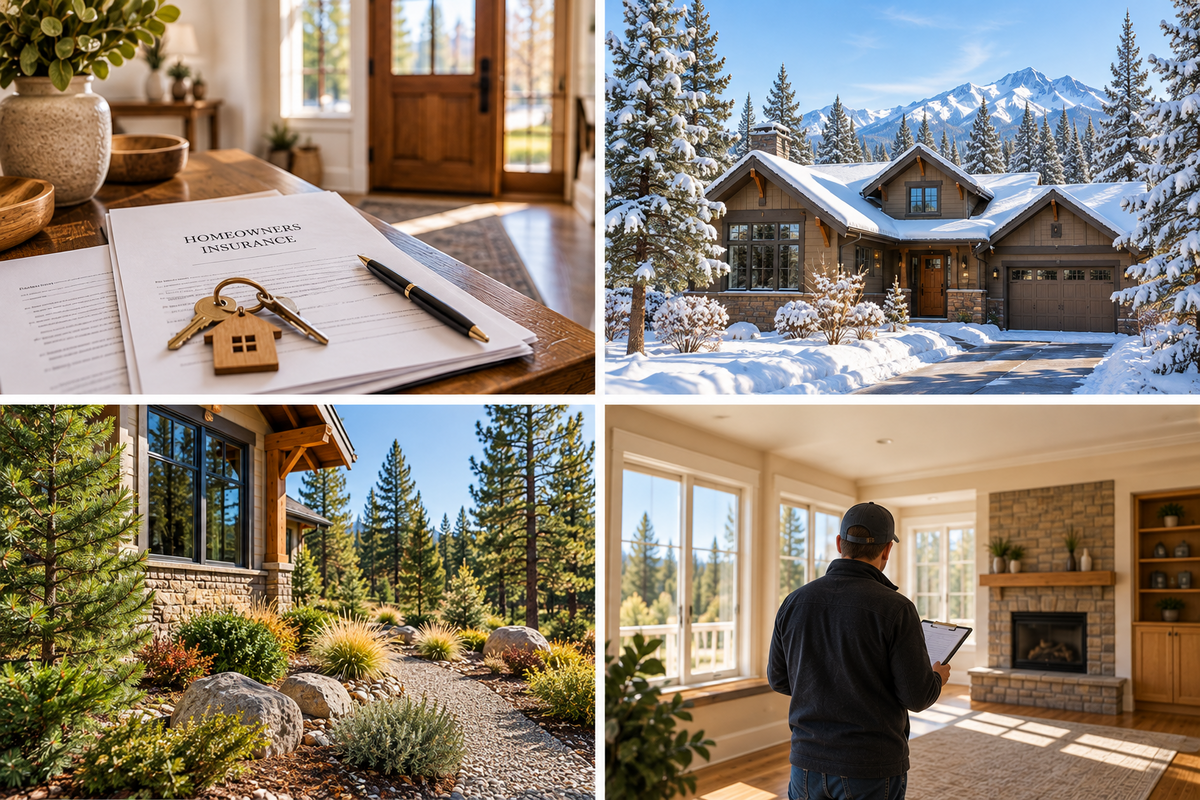
1. Contact the Insurance Provider Early
One of the most important first steps is reviewing the home's existing insurance policy.
A standard homeowners policy may have limitations or exclusions when a property becomes vacant or unoccupied.
Coverage rules vary by insurer, policy, property use, and how long the home has been empty. Some insurers may require additional coverage, regular inspections, or changes to the policy.
Ask the insurance provider:
Does the current policy cover the property after the owner's death?
How does the policy define vacant versus unoccupied?
Are there restrictions based on how long the home remains empty?
Are regular inspections required?
Is additional or specialized coverage necessary?
Does the policy need to be updated to reflect the trust or estate?
Don't assume that an existing policy automatically provides the same protection after the homeowner passes away.
Before making changes or canceling coverage, speak directly with the insurance company or a licensed insurance professional.
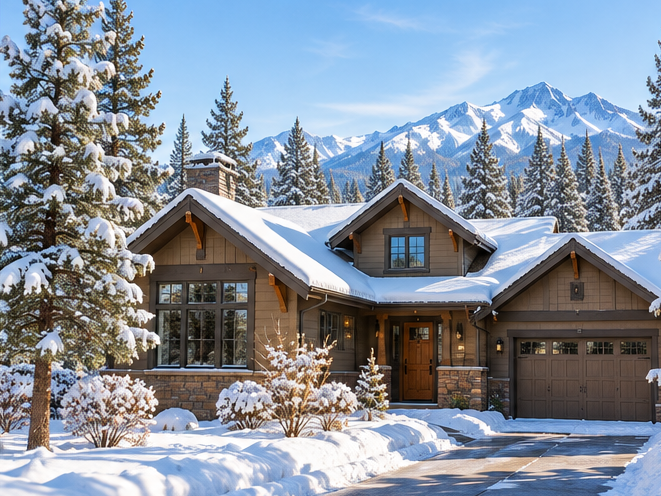
2. Protect the Home During Central Oregon Winters
Freezing temperatures are a particular concern for vacant homes in Bend, Sisters, Redmond, and surrounding communities.
Without someone living in the home, a heating problem or frozen pipe may go unnoticed until significant damage has occurred.
Depending on the property and insurance requirements, precautions may include:
Maintaining appropriate indoor temperatures
Checking the heating system
Insulating vulnerable pipes
Arranging regular property visits
Clearing snow and ice when necessary
Consulting a qualified professional about winterizing plumbing
It's tempting to turn off utilities to reduce expenses, but doing so without a plan can create additional risks.
Before shutting off water, heat, or electricity, consult the appropriate service professionals and your insurance provider.
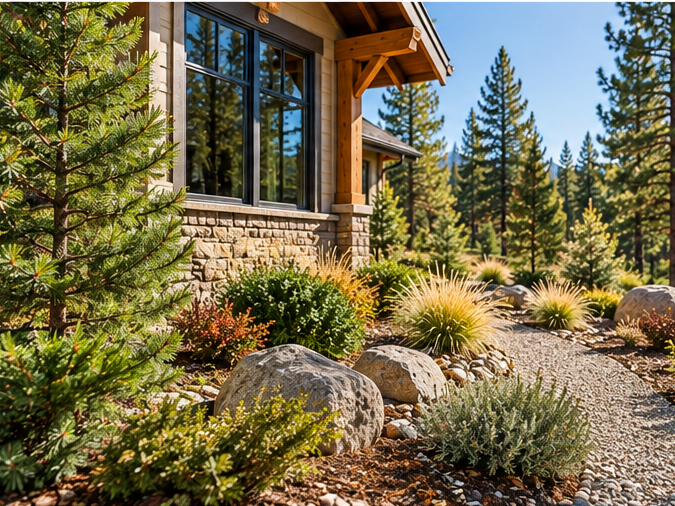
3. Don't Overlook Wildfire Season
Wildfire preparedness is another important consideration for Central Oregon homeowners.
Even when a home is vacant, its landscaping and surrounding property still need attention.
Depending on the location and property conditions, preparation may include:
Removing dry leaves and debris near the home
Clearing pine needles from roofs and gutters
Maintaining vegetation around structures
Keeping access routes clear
Following local defensible-space recommendations
The Oregon Department of Forestry and local fire agencies provide guidance on reducing wildfire risks around residential properties.
For trustees managing a home remotely, arranging seasonal landscaping and maintenance can be particularly helpful.
4. Schedule Regular Property Checks
A vacant property shouldn't be left unattended for extended periods without a plan.
Consider arranging for a trusted local contact or qualified property professional to check the home regularly.
During each visit, they can look for:
Water leaks or moisture
Signs of unauthorized entry
Heating or cooling problems
Storm damage
Pest activity
Landscaping concerns
Unusual odors or other maintenance issues
The appropriate inspection frequency depends on the property's condition, the season, and any requirements in the insurance policy.
Keeping a simple record of inspection dates, observations, and completed maintenance can also be helpful.
5. Keep Essential Services Organized
Managing an inherited home often means keeping track of expenses that continue even when nobody lives there.
These may include utilities, insurance, property taxes, HOA dues, landscaping, and repairs.
Create a simple record of:
Service providers and contact information
Account details
Payment due dates
Property inspection dates
Maintenance appointments
Receipts and invoices
Good organization can help prevent missed payments and make it easier to share information with the attorney, CPA, or other professionals involved in the trust or estate.
6. Preparing a Vacant Home for Sale
Once the property is secure and properly maintained, the next step may be preparing it for the real estate market.
A vacant home can offer some advantages. Buyers may find it easier to schedule showings, and the property can often be cleaned, photographed, or staged without disrupting anyone's daily routine.
However, empty rooms can sometimes feel less inviting or make it harder for buyers to understand the scale of the space.
Depending on the home, your REALTOR® may recommend:
Professional cleaning
Minor maintenance or repairs
Landscaping improvements
Selective staging
Professional photography
Regular checks while the home is listed
The right preparation strategy depends on the property, its condition, and current buyer expectations.
What If You Live Out of State?
Many families inherit homes in Central Oregon while living elsewhere.
If you're a trustee managing a property from another city or state, coordinating insurance, maintenance, inspections, and preparations for sale can feel overwhelming.
Having a reliable local team can make a meaningful difference.
A local REALTOR® can help coordinate the real estate side of the process and recommend appropriate local service providers, while your attorney and insurance professional can advise on their respective areas of responsibility.
You don't have to manage every detail from a distance on your own.
Final Thoughts
Managing a vacant home after losing a loved one can feel like another responsibility added to an already difficult time.
But protecting the property doesn't have to be complicated.
Start with insurance, create a maintenance plan, arrange regular checks, and build a reliable local support team.
These simple steps can help preserve the home's condition while your family decides what comes next.
If you're managing a vacant or inherited property in Bend, Sisters, Redmond, Sunriver, or elsewhere in Central Oregon, Suzanne and Maddie at Avenir Realty can help guide you through the real estate side of the process—from evaluating the property to preparing it for a successful sale.
Because caring for a loved one's home also means protecting what they've left behind.
Continue the Navigating Trust & Estate Home Sales Series
This article is provided for educational purposes only and should not be considered legal, tax, or financial advice. Every trust and estate is unique. Please consult with a qualified estate planning attorney, CPA, or financial advisor regarding your specific situation.
All information deemed reliable but not guaranteed. If your property is listed with a real estate broker, this is not a solicitation of brokerage services. AvenirRealty, License , Avenir Realty.
Serving all of Central Oregon, we specialize in sellers and buyers looking to downsize for retirement, move into a larger home, or a home with closer proximity to trails, rivers, or local amenities.