Navigating Trust & Estate Home Sales: A Family Guide to Selling a Loved One's Home in Central Oregon
Blog

SHARE
Selling a Parent's Home Held in a Living Trust: A Step-by-Step Guide for Central Oregon Families
Losing a parent is one of life's most difficult experiences. Along with grieving, families are often faced with important decisions—including what to do with the family home.
If the home is held in a living trust, the process of selling it is often simpler than if it had to go through probate. However, there are still important responsibilities for the successor trustee and several steps to complete before the property is ready for the market.
Every family's situation is unique, but this guide provides a general overview of what to expect. (As always, it's important to consult an estate attorney or tax professional for legal and financial advice specific to your circumstances.)
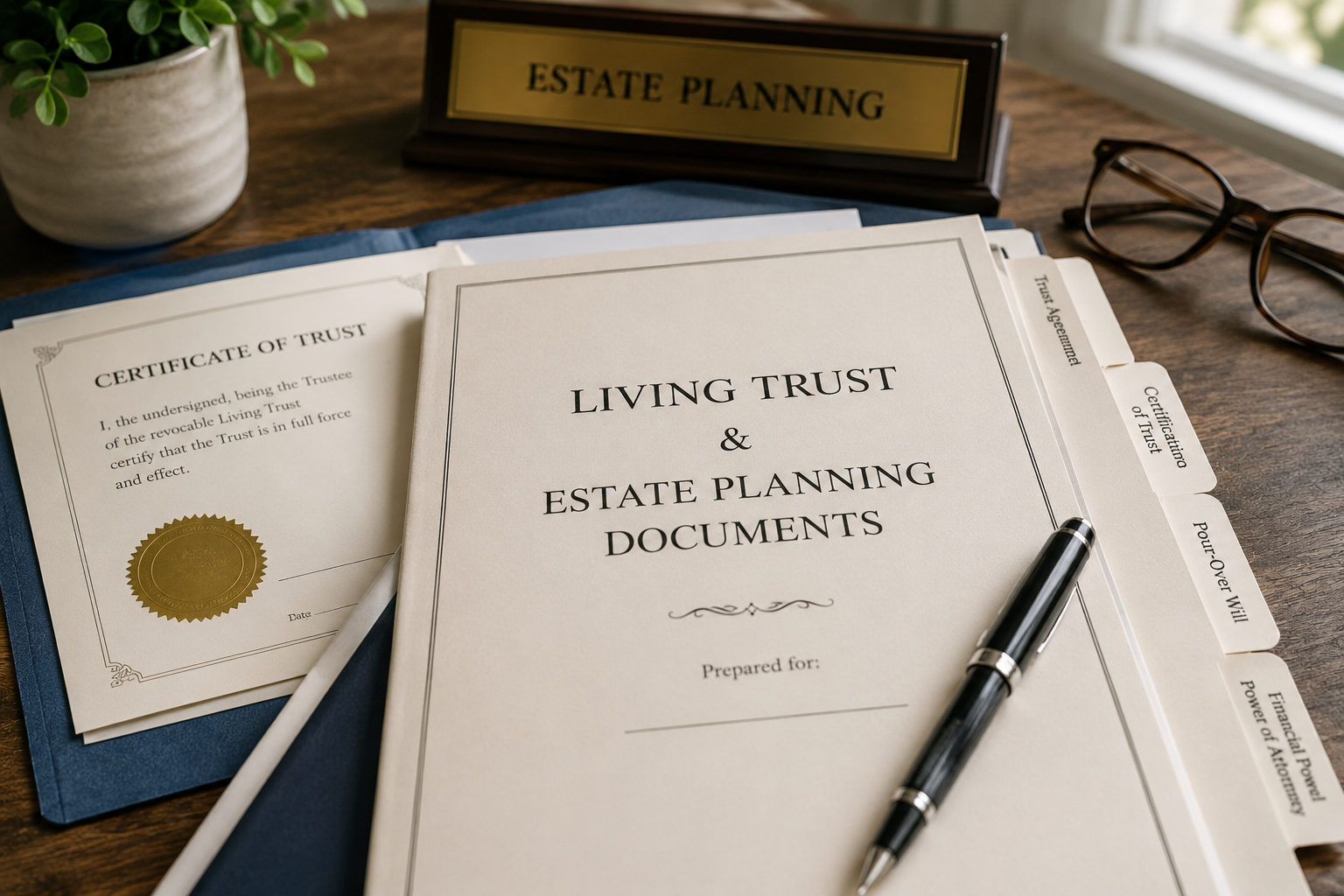
What Is a Living Trust?
A living trust is a legal document that allows someone to place assets—such as a home—into a trust during their lifetime. After the person passes away, the successor trustee manages those assets according to the instructions outlined in the trust.
One of the primary benefits is that assets held in a properly funded living trust generally avoid probate, allowing the property to be transferred or sold without going through the probate court process.
Step 1: Locate the Trust Documents
The first step is confirming that the property is actually owned by the trust.
You'll typically need:
The trust agreement
Certified copies of the death certificate
Contact information for the estate attorney, if applicable
Property records and mortgage information
The trust documents identify the successor trustee, who is responsible for managing the property and carrying out the wishes of the trust.
Step 2: Confirm the Successor Trustee's Authority
The successor trustee is responsible for managing and, if appropriate, selling the home on behalf of the trust.
That includes responsibilities such as:
Protecting the property
Working with professionals involved in the sale
Signing listing and closing documents
Keeping beneficiaries informed
Acting in the best interest of everyone named in the trust
Unlike probate, where court approval may be required, trust sales can often move forward more efficiently because the successor trustee already has the authority granted by the trust document.
Step 3: Secure and Protect the Home
If the home will be vacant, protecting it becomes an immediate priority.
Consider:
Forwarding the mail
Changing or monitoring locks if necessary
Maintaining utilities
Keeping landscaping maintained
Reviewing homeowner's insurance coverage
Scheduling regular property checks
Vacant homes may require different insurance coverage than owner-occupied homes, so it's important to notify the insurance provider as soon as possible.
Step 4: Understand the Home's Value
Before deciding whether to sell, it's helpful to understand the property's current market value.
This may include:
A professional Comparative Market Analysis (CMA)
A formal appraisal if recommended by the attorney or accountant
Evaluating current market conditions
Identifying repairs or updates that could improve value
For many families, understanding today's market helps guide decisions about pricing and preparing the home for sale.
Step 5: Prepare the Home for Sale
Sorting through a loved one's belongings can be one of the most emotional parts of the process.
Rather than trying to do everything at once, many families find it helpful to work step by step.
Common preparations include:
Gathering important family keepsakes
Donating or selling unwanted belongings
Hiring an estate sale company if needed
Deep cleaning the home
Completing minor repairs
Professional staging and photography
Remember, not every home needs extensive renovations. Sometimes thoughtful preparation is all that's needed to make a great first impression.
Step 6: List the Property
Once the home is ready, your real estate agent can help develop a pricing and marketing strategy based on local market conditions.
An experienced REALTOR® can also coordinate with attorneys, title companies, and other professionals to help ensure the transaction stays on track while reducing stress for the family.
For trust sales, clear communication is especially important, particularly when multiple beneficiaries are involved.
Step 7: Close the Sale
After closing, the proceeds are distributed according to the terms of the trust.
Depending on the estate, the trustee may work closely with an attorney, CPA, or financial advisor before making final distributions.
Every trust is different, so professional legal and tax guidance remains an important part of the process.
Frequently Asked Questions
Does a home in a living trust have to go through probate?
In many cases, no. One of the primary advantages of a properly funded living trust is that it can allow assets to transfer outside of probate, although trust administration is still required.
Who signs the paperwork to sell the home?
Typically, the successor trustee signs documents on behalf of the trust, acting according to the trust's instructions.
Should we renovate before selling?
Not necessarily. Every property is different. A trusted real estate professional can help determine whether repairs are likely to provide a return on investment or whether selling the home as-is is the better option.
Final Thoughts
Selling a parent's home is about much more than a real estate transaction—it's often part of a family's journey through an emotional life transition.
While every trust is unique, understanding the process ahead of time can help reduce uncertainty and make each step feel more manageable.
If your family is preparing to sell a home held in a living trust in Bend, Sisters, Redmond, Sunriver, or anywhere in Central Oregon, we're here to provide compassionate guidance throughout the real estate process. We regularly work alongside estate attorneys, title companies, financial professionals, and families to help make the home sale as smooth and stress-free as possible.
This article is provided for educational purposes only and should not be considered legal, tax, or financial advice. Every trust and estate is unique. Please consult with a qualified estate planning attorney, CPA, or financial advisor regarding your specific situation.
All information deemed reliable but not guaranteed. If your property is listed with a real estate broker, this is not a solicitation of brokerage services. AvenirRealty, License , Avenir Realty.
Serving all of Central Oregon, we specialize in sellers and buyers looking to downsize for retirement, move into a larger home, or a home with closer proximity to trails, rivers, or local amenities.