Navigating Trust & Estate Home Sales: Should You Sell an Inherited Home As-Is or Make Repairs?

Blog

Rustic mountain home with autumn trees, shown alongside its kitchen, living room, and renovation details.

Selling a loved one's home after a loss can feel overwhelming. This educational series is designed to answer common questions and help families understand the real estate process with confidence. While these articles are for educational purposes only and are not legal or tax advice, they provide guidance on the real estate side of trust and estate home sales.
Should You Sell an Inherited Home As-Is or Make Repairs?

Mountain home collage showing its exterior, wood-cabinet kitchen, repair work, renovation estimates, and furnished living room.

Part 5 of Navigating Trust & Estate Home Sales: A Family Guide to Selling a Loved One's Home in Central Oregon

Inheriting a home often comes with more decisions than expected. Once you've sorted through personal belongings and begun preparing the property, another important question usually comes up:

Should we make repairs before selling, or would it be better to sell the home as-is?

For families managing a trust or estate, this decision can feel especially challenging. You may be balancing financial responsibilities, family expectations, limited time, and the emotional weight of selling a loved one's home.

The good news? You don't necessarily need to renovate a home to sell it successfully.

Understanding your options can help you make a thoughtful decision based on the property's condition, the local real estate market, and your family's priorities.
What Does Selling a Home "As-Is" Mean?

When a home is listed as-is, the seller is generally communicating that they intend to sell the property in its current condition without agreeing in advance to make repairs.

However, selling as-is doesn't automatically mean the property has serious problems.

Some inherited homes are well-maintained but simply haven't been updated in years. Others may need more substantial work.

It's also important to understand that selling as-is does not eliminate applicable disclosure requirements or prevent buyers from requesting inspections or negotiating repairs.

In Oregon, seller disclosure requirements and exemptions depend on the circumstances of the sale. Trustees and personal representatives should consult the appropriate real estate and legal professionals before assuming an exemption applies.

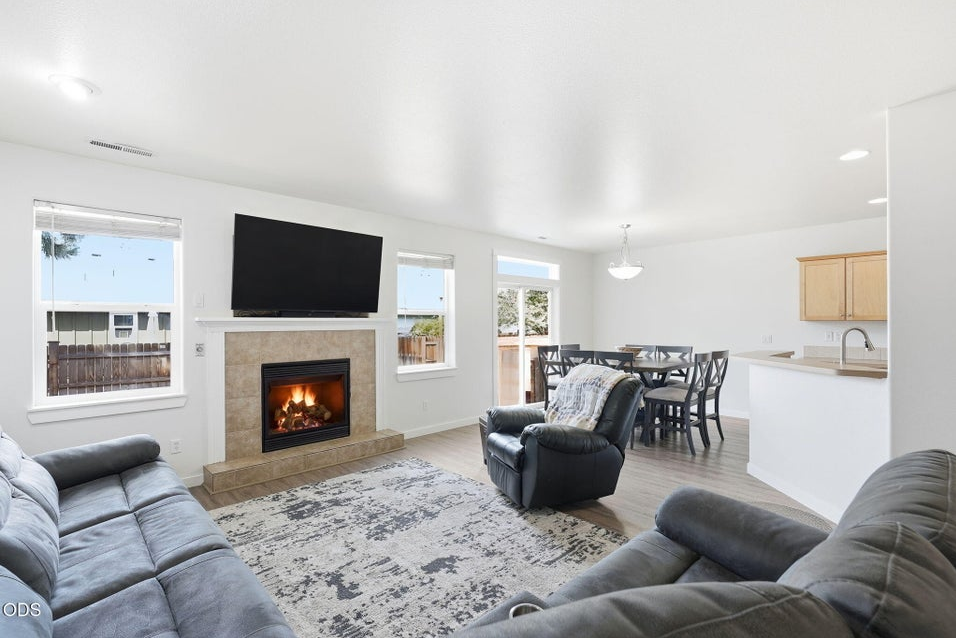
Living room with leather sofas, a tile fireplace, and an open dining area.

When Selling As-Is May Make Sense

For some families, selling the property in its existing condition may be the most practical option.
  • This approach may make sense when:
  • The home needs extensive or costly repairs.
  • The trustee or beneficiaries live out of state.
  • The estate has limited funds for improvements.
  • The family prefers a simpler selling process.
  • Renovations would create additional delays.
  • The expected increase in sale price may not justify the expense.
Selling as-is can reduce the burden of coordinating contractors and overseeing improvements.

However, buyers may factor anticipated repair costs, uncertainty, and inconvenience into their offers.

The goal is to weigh the potential savings in time and expense against the possible effect on the sale price.
When Making Repairs Could Be Worthwhile

Not every improvement requires a major investment.

Sometimes, relatively simple updates can make a home more appealing to buyers and improve its overall presentation.

Depending on the property's condition, worthwhile improvements might include:
  • Fresh interior paint
  • Professional deep cleaning
  • Minor plumbing or electrical repairs by qualified professionals
  • Replacing damaged fixtures
  • Landscaping and yard cleanup
  • Repairing obvious maintenance issues
  • Improving lighting and curb appeal
In markets such as Bend, Sisters, Redmond, and Sunriver, buyer expectations can vary significantly depending on the neighborhood, price range, and type of property.

A home that needs updating may still appeal to buyers looking for an opportunity to personalize a property. Meanwhile, buyers shopping for a move-in-ready home may place greater value on completed repairs.

Before investing in improvements, it's worth understanding what comparable homes are selling for in your specific area.

A worker paints a beige wall beside a large window.

How to Decide: Three Important Questions

1. How Much Will the Repairs Actually Cost?

Before committing to improvements, obtain estimates from qualified contractors.

Consider not only the repair costs but also potential delays, carrying expenses, and the time required to coordinate the work.

A renovation that looks profitable on paper may be less appealing once those additional costs are included.

2. Will the Improvements Increase the Sale Price Enough?

Not every dollar spent on repairs translates into an additional dollar in the final sale price.

A local REALTOR® can help compare the property's likely value in its current condition with its potential value after targeted improvements.

This can help families determine whether the anticipated benefit justifies the investment.

3. What Is Most Important to the Family?

Sometimes, the best decision isn't simply the one with the highest potential sale price.

For some families, maximizing the property's value is the priority.

For others, reducing stress, avoiding additional expenses, or completing the sale within a reasonable timeframe may matter just as much.

The right approach should reflect both the property's market potential and the family's circumstances.

Repair estimate and home-improvement checklist beside a calculator, pen, and flooring samples.

Don't Overlook the Value of Simple Preparation

Even if you decide to sell as-is, that doesn't mean you should skip basic preparation.

A clean, organized, well-presented home can make a meaningful difference in how buyers perceive the property.

Consider removing unnecessary belongings, cleaning the interior, maintaining the yard, and making sure the home is accessible for showings.

Professional photography can also help buyers appreciate the property's layout, natural light, and unique features.

These relatively straightforward steps may help present the home in its best possible condition without committing to a major renovation.

Working With the Right Professionals

When a home is held in a trust or estate, decisions about repairs and selling should also account for the trustee's or personal representative's responsibilities.

An estate attorney can help clarify authority and obligations under the trust or estate.

A CPA or tax professional can provide guidance on financial and tax considerations.

And a knowledgeable local REALTOR® can help evaluate the property's condition, buyer expectations, comparable sales, and potential marketing strategies.

Having the right professionals involved early can help families avoid unnecessary expenses and make more confident decisions.

House with a stone facade and a For Sale sign, with a woman holding a clipboard in front.

Final Thoughts: The Right Decision Is Different for Every Home

Selling an inherited home isn't just about preparing a property for the market. It's often part of a much larger family transition.

Whether you choose to make repairs or sell the home as-is, the most important thing is making a decision that feels informed, manageable, and appropriate for your situation.

You don't have to renovate everything, and you don't have to figure it all out on your own.

At Avenir Realty, we understand that selling a loved one's home can involve both practical and emotional considerations. Our team is here to help families throughout Bend, Sisters, Redmond, Sunriver, and Central Oregon evaluate their options and navigate the real estate process with care and confidence.

Thinking about selling an inherited property? Connect with us at Avenir Realty to discuss your home's condition, current market opportunities, and the next steps that make sense for your family.

Continue the Navigating Trust & Estate Home Sales Series

Start Here:

Learn the Difference:

Preparing the Property:

The Successor Trustee's Checklist: What to Do After Inheriting a Home

Coming Next:
Vacant Homes and Insurance: What Every Trustee Should Know
Educational Disclaimer

This article is provided for educational purposes only and should not be considered legal, tax, or financial advice. Every trust and estate is unique. Please consult with a qualified estate planning attorney, CPA, or financial advisor regarding your specific situation.

All information deemed reliable but not guaranteed. If your property is listed with a real estate broker, this is not a solicitation of brokerage services. AvenirRealty, License , Avenir Realty.

This email was sent to • View Online • Unsubscribe • Powered by ActivePipe, a MoxiWorks Product
Equal Housing Opportunity

Home

ActivePipe Message ID: 4110782

Work With Us

Serving all of Central Oregon, we specialize in sellers and buyers looking to downsize for retirement, move into a larger home, or a home with closer proximity to trails, rivers, or local amenities.